


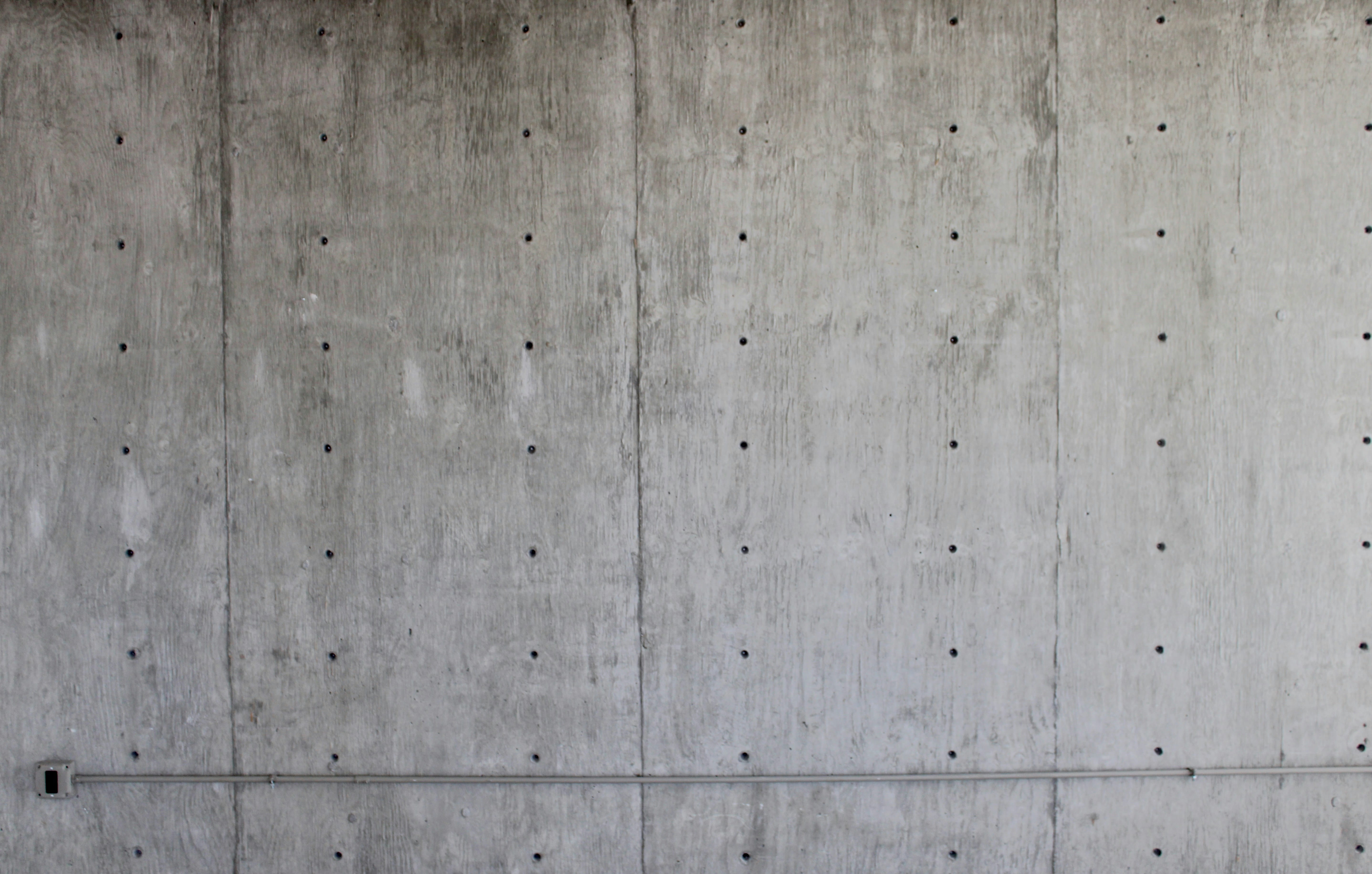
Composite Cement: An Overview
Table of contents
- What is Composite Cement?
- Raw Materials Permitted
- Key Performance Requirements
- Composition of Composite Cement
- Higher Durability
- Sustainability Benefits of Composite Cement
- FAQs
- Conclusion


Building Stronger Concrete with Admixtures
Composite Cement is a modern blended hydraulic cement manufactured by inter-grinding or blending Portland cement clinker with multiple supplementary cementitious materials (SCMs), primarily Granulated Blast Furnace Slag (GBFS) and Fly Ash, along with gypsum. Composite Cement combines the advantages of both slag cement and fly ash cement, resulting in superior durability, sustainability, and long-term strength performance. It is covered under IS 16415:2015 – Composite Cement Specification issued by the Bureau of Indian Standards (BIS).Composite Cement is increasingly being used in Individual House builders segment, housing, mass concrete works, foundations, bridges, and sustainable construction projects due to its lower carbon footprint and enhanced durability.
What is Composite Cement?
Composite Cement is a blended cement produced by combining:
- Portland Cement Clinker
- Granulated Blast Furnace Slag (GGBS/GBFS)
- Fly Ash
- Gypsum
The combination of slag and fly ash improves microstructure, reduces permeability, lowers heat of hydration, and enhances resistance to aggressive environments compared to Ordinary Portland Cement (OPC).
BIS Specifications for Composite Cement
IS 16415:2015 – Composite Cement Specification published by the Bureau of Indian Standards (BIS).
Raw Materials Permitted
According to IS 16415:2015, Composite Cement is manufactured using
- Portland Cement Clinker
- Granulated Blast Furnace Slag conforming to IS 12089
- Fly Ash conforming to IS 3812 (Part 1)
- Gypsum
Key Performance Requirements
Composite Cement is required to satisfy BIS requirements relating to:
- Compressive Strength
- Fineness
- Soundness
- Setting Time
- Chemical Composition
- Consistency and Quality Control
as specified under IS 16415:2015
Composition of Composite Cement
Role of Portland Cement Clinker
Clinker provides the primary hydraulic properties and contributes to early-age strength development.
Role of Ground Granulated Blast Furnace Slag (GGBS)
GGBS contributes to:
- Reduced permeability
- Enhanced sulphate resistance
- Lower heat generation
- Improved long-term strength
Role of Fly Ash in Composite cement.
Fly ash improves:
- Workability
- Particle packing
- Durability
- Long-term strength gain
Role of Gypsum in Composite cement
Gypsum controls the setting time and ensures proper hydration of cement.
Higher Durability
The dense microstructure reduces permeability and protects concrete against:
- Chloride attack
- Sulphate attack
- Alkali Silica reaction.
- Reinforcement corrosion
Better Long-Term Strength
Although early strength development may be slightly slower than OPC, Composite Cement typically achieves superior 56-day and 90-day strengths, making it highly suitable for infrastructure projects.
Reduced Heat of Hydration
Composite Cement generates less heat during hydration, reducing the risk of thermal cracking in:
- Residential house buildings
- Raft foundations
- Dams
- Mass concrete structures
- Bridge foundations
Improved Workability
The fine particles of fly ash and slag improve concrete cohesiveness and pumpability while reducing water demand.
Extended Service Life
Enhanced resistance to aggressive environments results in longer service life and reduced maintenance costs throughout the structure’s lifecycle.
Sustainability Benefits of Composite Cement
Composite Cement contributes directly to sustainable construction by:
- Conserving natural limestone resources
- Utilizing industrial by-products like flyash and slag effectively
- Reducing greenhouse gas emissions
- Supporting green building certifications
- Lowering embodied carbon of concrete
Applications of Composite Cement
Urban and rural Construction
- Individual house constructions
- High-rise buildings
- Residential projects
- Commercial complexes
Infrastructure Projects
- Highways
- Expressways
- Bridges
- Metro Rail Projects
- Airports
Marine and Coastal Structures
- Ports
- Jetties
- Breakwaters
- Coastal protection structures
Mass Concrete Works
- Dams
- Raft Foundations
- Machine Foundations
Industrial Structures
- Power plants
- Steel plants
- Warehouses
- Heavy-duty pavements
Why Composite Cement is Preferred for Modern Construction
Modern infrastructure increasingly demands materials that provide durability, sustainability, and lifecycle cost benefits. Composite Cement fulfills all three requirements by combining the performance benefits of slag and fly ash in a single cement, making it particularly suitable for long-life infrastructure and environmentally responsible construction.
FAQs
Q: What is Composite Cement?
Composite Cement is a blended cement manufactured using clinker, slag, fly ash, and gypsum in accordance with BIS IS 16415:2015.
Q: What BIS standard covers Composite Cement?
Composite Cement is covered under IS 16415:2015 – Composite Cement Specification.
Q: Is Composite Cement environmentally friendly?
Yes. Composite Cement has a substantially lower carbon footprint than Ordinary Portland Cement because it utilizes slag and fly ash as supplementary cementitious materials.
Q: Where is Composite Cement used?
It is widely used in bridges, highways, metros, marine structures, foundations, industrial projects, and high-rise buildings.
Q: What are the major advantages of Composite Cement?
Key advantages include:
- Lower CO₂ emissions
- Better durability
- Reduced permeability
- Improved sulphate resistance
- Lower heat of hydration
- Enhanced lifecycle performance
- Reduced maintenance costs
Q: Is Composite Cement suitable for sustainable infrastructure?
Yes. Composite Cement is considered one of the most sustainable cement types available today and is increasingly specified for green buildings and resilient infrastructure projects.
Conclusion
Composite Cement, conforming to IS 16415:2015, represents the next generation of sustainable cement technology. By combining the strengths of slag and fly ash within a single binder system, it delivers superior durability, reduced carbon emissions, improved long-term performance, and lower lifecycle costs. These benefits make Composite Cement an ideal choice for modern infrastructure, commercial developments, and sustainable construction projects.
An Education Article by Dr. L.R. Manjunatha, BE(Civil),MBA , PhD
Concrete Technologist : City and Guilds Landon Institute (UK) & CTI ( Rmcma India)
Composite Cement: An Overview
Other Related Articles
The Future of Cement: Emerging Technologies.

Advanced Techniques in Evaluating Concrete Curing Effectiveness
Understanding the cement factory

India’s Cement Chronicles: Unveiling Portland Cement and Its Crafting Method
Concrete Family: Exploring Admixtures & Screened Sand in India’s Construction Industry

Uses and types of Cement in India






Our Subsidiary -
 cement
JSW Cement. Copyright 2026 - All rights reserved.